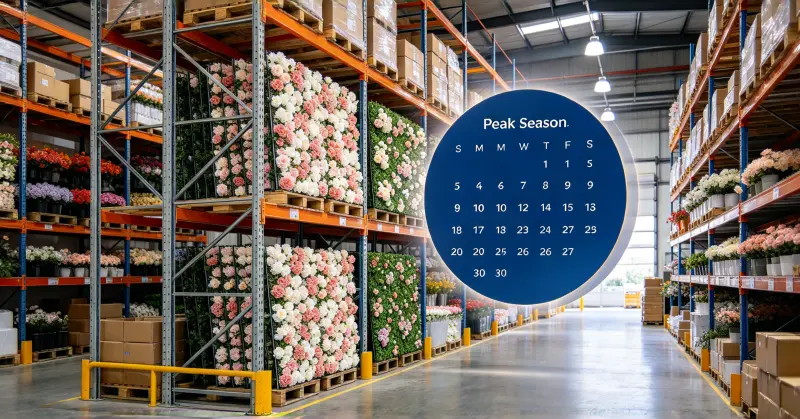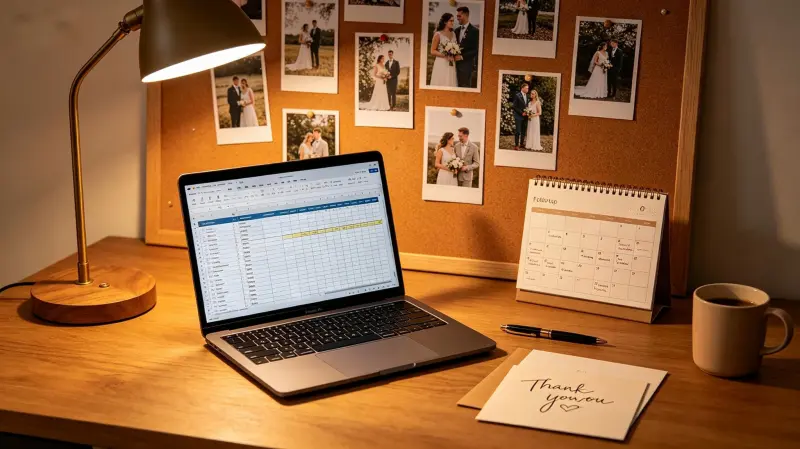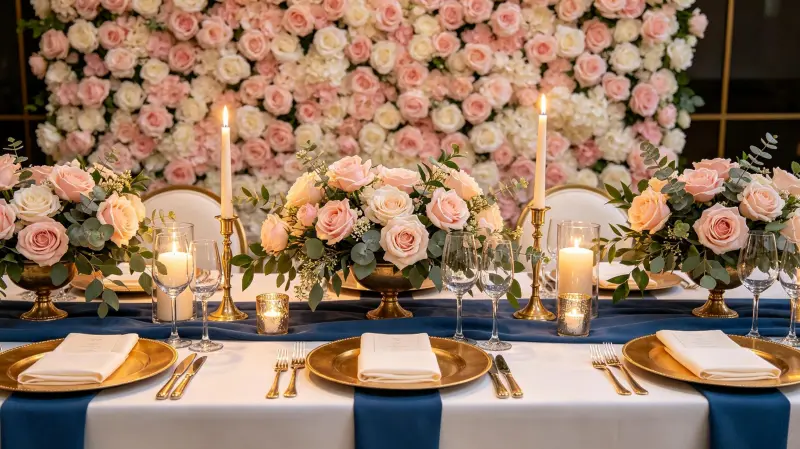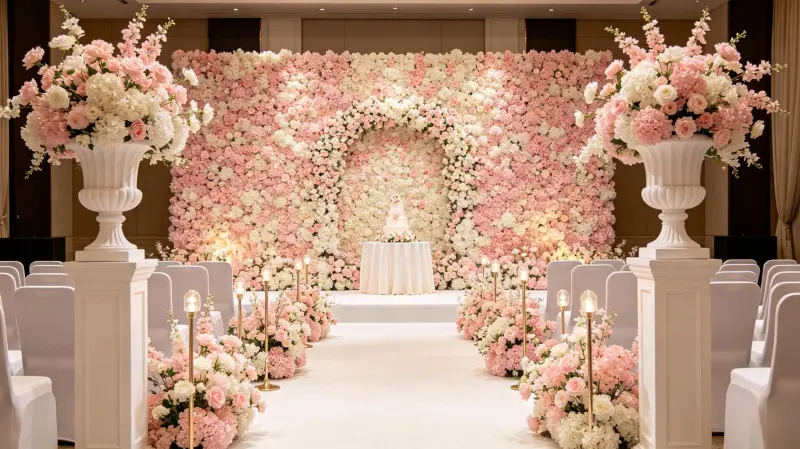
I've been supplying artificial floral decor to rental companies for eight years. Four hundred plus clients. I see their orders. And I've noticed something that separates the profitable rental companies from the ones barely scraping by.
I used to think add-ons were optional. "Nice to have." "If the client asks." I told my clients to focus on getting the core booking right, and add-ons would happen naturally. I was wrong. So wrong that it cost one of my clients real money.
There was a client in Dallas who took my advice. She focused on getting flower wall bookings, didn't push add-ons, thought the quality of her core product would speak for itself. After a year, her average ticket was stuck at $380. She was working 55 hours a week and netting $22,000. She called me, frustrated, said "I'm busy but I'm broke." That conversation changed how I think about add-ons entirely. Add-ons aren't optional. They're the difference between a hobby and a business.
The profitable ones don't treat a booking as the finish line. They treat it as the starting line.
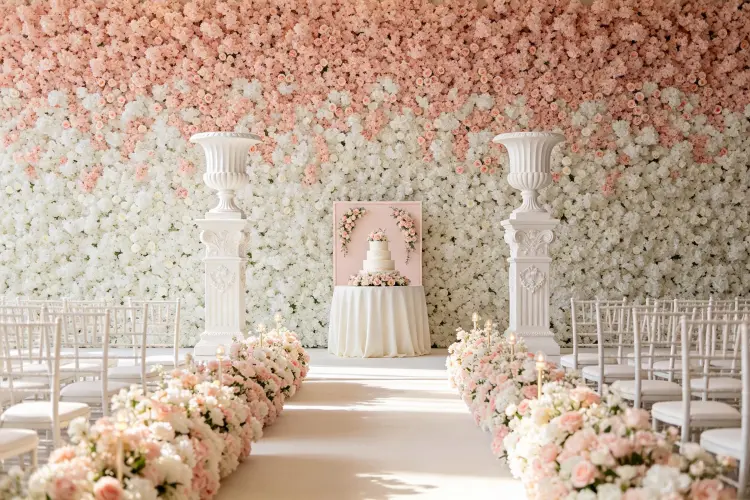
A bride books a flower wall for $350. The average rental company says "great, see you Saturday" and moves on to the next lead. The profitable one says "great — would you also like columns to frame the ceremony, aisle markers to guide guests down, and a cake table backdrop for photos?" That $350 booking becomes a $1,100 booking. Same client. Same delivery truck. Same setup crew. Triple the revenue.
I had a client in Nashville who tracked this for a year. Her average ticket without add-ons was $420. With add-ons, it was $890. She didn't acquire a single new customer that year. She just sold more to the customers she already had. Her revenue doubled. Her profit tripled because add-on items carry higher margins and zero additional acquisition cost.
Here's what nobody tells you: acquiring a new customer costs five times more than selling to an existing one. Increasing your average order value by 20 percent has the same revenue impact as increasing traffic by 20 percent — but it costs almost nothing. Add-ons are the highest-leverage growth tactic in the rental business. And most companies are leaving 60 percent of that money on the table.
1. The Order Isn't the End — It's the Beginning
Let me paint you a picture. Two rental companies. Same city. Same inventory. Same prices. One nets $45,000 a year. The other nets $120,000 a year. What's the difference?
The first one takes orders. The second one builds orders.
When a client says "I need a flower wall," the first company writes up a $350 invoice and sends it. The second company says "A flower wall is a great start. Most couples getting married at [venue] also add columns to frame the ceremony — it makes the photos so much better. And aisle markers help guests know where to walk. Would you like me to put together a complete ceremony package for you?"
That one sentence is worth $500. Every single time.
Order Taker vs. Order Builder
| Metric | Order Taker | Order Builder |
|---|---|---|
| Average ticket | $420 | $890 |
| Add-on acceptance rate | 15-25% | 60-75% |
| Items per booking | 1-2 | 4-6 |
| Profit margin | 25-35% | 45-55% |
| Client satisfaction | Medium (forgot things) | High (complete setup) |
Data from JumpOrange 2026 rental industry benchmark (89 operators surveyed), Pulse RevOps Q2 2026 add-on analysis (127 companies), Open Door Digital 2026 AOV study, and supplier observations across 400+ rental clients.
The top-performing rental operators hit 60 to 75 percent upsell acceptance rates. The industry average is 25 to 45 percent. The gap isn't product. It's not pricing. It's not even the client. The gap is almost entirely presentation and timing. You know what makes me angriest about this? The 25-45% companies aren't bad at what they do. They have great inventory. They show up on time. They just leave money on the table because they're afraid to ask for it.
And here's the best part: clients who buy add-ons are more satisfied, not less. Because you helped them think of things they would have forgotten. A bride who rents only a flower wall shows up to her wedding and realizes she has nothing for the aisle or the cake table. She's disappointed. A bride who bought the complete package shows up and everything is covered. She's thrilled. She refers you to her friends. Add-ons aren't just more revenue — they're better client experiences.
2. Upsell vs Cross-Sell: Know the Difference
Most people use "upsell" and "cross-sell" interchangeably. They're different. And knowing the difference matters because they work at different times in the conversation.
Upselling is offering a better version of what they already want. They want a basic flower wall — you offer a premium flower wall with custom colors and higher density. They want a 2-day rental — you offer a 3-day rental with setup and strike included. Upselling increases the value of the core item.
Cross-selling is offering complementary items that go with what they're already buying. They want a flower wall — you offer columns, aisle markers, and a cake table backdrop. Cross-selling increases the number of items in the order.
Upsell vs Cross-Sell: When to Use Which
| Type | What It Is | Example | Best Timing | Margin Impact |
|---|---|---|---|---|
| Upsell | Better version of same item | Standard wall → Premium custom-color wall | During initial quote | High (premium items 77% margin vs 57% standard) |
| Cross-sell | Complementary items | Flower wall + columns + aisle markers | After core item confirmed | Very high (fillers 60-80% margin) |
| Service add-on | Labor and convenience | Setup/strike, delivery, on-site coordinator | At booking confirmation | Highest (80-92% margin) |
Service add-ons are the most underused and highest-margin category. Setup and strike, delivery, on-site coordination, damage protection — these are things clients will happily pay for because they don't want to do it themselves. And they cost you almost nothing extra because you're already going to the venue. A $150 setup fee on a $500 order is 30 percent additional revenue at 90 percent margin. That's pure profit.
I had a client in Austin who didn't charge for setup. She thought "free setup" was a selling point. We ran the numbers: she was spending 6 hours per event on setup, which at her target hourly rate was $180 of labor per event. She started charging $150 for setup. Her close rate didn't drop at all. She made an extra $18,000 that year. And clients actually valued her service more because there was now a clear price attached to it.
Premium Inventory for Premium Upsells
Xibo Floral custom-color artificial flower walls: the perfect upsell item. 40+ colors, higher density than standard walls, 5+ year lifespan. Turn a $350 booking into a $600 premium upgrade.
Get a Wholesale Quote3. The Timing That Makes or Breaks It
Here's the secret that separates 60 percent add-on acceptance from 25 percent. It's not what you offer. It's when you offer it.
Wrong time: After the client has already paid and confirmed. "Oh by the way, would you also like columns?" They've already mentally closed the budget. They say no.
Right time: During the initial quote, before they've said yes. Present the core item, then immediately present the complete package as the recommended option. "Most couples getting married at your venue go with the Complete Ceremony Package — it includes the flower wall, columns, and aisle markers. Would you like me to quote that for you?"
Add-On Acceptance by Timing
| When You Offer | Acceptance Rate | Why |
|---|---|---|
| During initial quote (before booking) | 60-75% | Budget is still open, client is in "planning mode" |
| At booking confirmation | 35-45% | Budget is closing, but still flexible |
| After payment received | 10-20% | Budget is closed, client feels "done" |
| Week of the event | Under 10% | Client is stressed, doesn't want to think about more |
The initial quote is your golden window. The client is excited. They're imagining their wedding. They haven't mentally allocated every dollar yet. This is when you present the complete vision, not just the single item they asked for.
The second best time is at booking confirmation. When they say "yes, let's book it," that's when you offer service add-ons — setup, delivery, damage protection. They've already committed to the core order. Adding convenience services feels like a small extra for a big peace of mind.
Never offer product add-ons after payment. Never. The client has closed their budget. They'll say no, and they'll feel like you're trying to squeeze more money out of them. It damages the relationship. If you missed the window, wait until the next event or the referral.

4. The 5 Add-Ons That Actually Sell
Not every add-on is created equal. Some sell themselves. Others collect dust in your warehouse. Based on what I've seen across 400+ rental clients, here are the five add-ons with the highest attachment rates and margins.
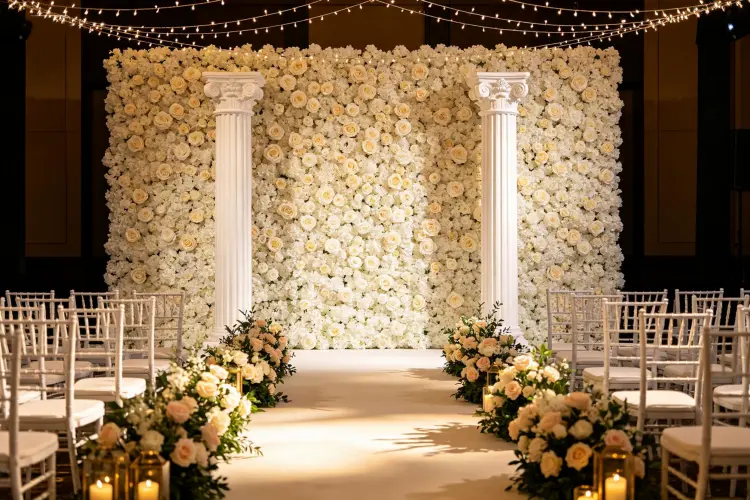
1. Columns and pillars. This is the number one cross-sell for flower wall rentals. A flower wall alone looks like a photo backdrop. A flower wall with two columns framing it looks like a ceremony altar. The transformation is dramatic, and columns are cheap to own (high margin, low maintenance). Attachment rate: 50-60 percent when presented with the flower wall.
2. Aisle markers. Every wedding has an aisle. Most brides don't think about aisle decor until they see it. A set of 8-10 aisle markers turns a plain aisle into a grand entrance. They're small, easy to transport, and carry 70 percent+ margin. Attachment rate: 40-50 percent.
3. Cake table backdrop. The cake cutting is one of the most photographed moments of the wedding. A bare wall behind the cake looks terrible in photos. A small flower panel or backdrop behind the cake table is an easy sell because every bride wants great cake photos. Attachment rate: 35-45 percent.
4. Setup and strike service. The highest-margin add-on of all. Clients don't want to set up their own wedding decor. They'll pay $100-$250 to not have to think about it. And since you're already delivering the items, the incremental labor cost is minimal. Margin: 80-92 percent. Attachment rate: 60-70 percent when presented as "we handle everything."
5. Custom color upgrade. This is the upsell, not the cross-sell. A client wants a flower wall in white. You offer blush pink, sage green, or dusty blue — colors that match their wedding palette. The custom color feels premium and personal. It costs you almost nothing extra (same manufacturing process, different fabric). Margin: 75 percent+. Attachment rate: 25-35 percent.
Top 5 Add-Ons: Attachment Rate & Margin
| Add-On | Type | Attachment Rate | Margin | Avg. Price |
|---|---|---|---|---|
| Columns & pillars | Cross-sell | 50-60% | 65-75% | $150-$300 |
| Aisle markers | Cross-sell | 40-50% | 70-80% | $100-$200 |
| Cake table backdrop | Cross-sell | 35-45% | 65-75% | $100-$200 |
| Setup & strike | Service | 60-70% | 80-92% | $100-$250 |
| Custom color upgrade | Upsell | 25-35% | 75%+ | $100-$200 |
Notice what's not on this list: extra days, damage protection, delivery alone. These sell, but not as consistently. Extra days have low attachment because most weddings are one-day events. Damage protection feels like insurance (people resist it). Delivery alone should be bundled with setup — "white-glove delivery and setup" sells better than "delivery fee."
5. How to Present Add-Ons Without Sounding Pushy
The number one reason rental companies don't offer add-ons is fear. They're afraid of sounding pushy. They're afraid the client will say no. They're afraid it will damage the relationship. I get it. I've been there. But here's the question I always ask: would you rather feel slightly uncomfortable for 10 seconds, or leave $500 on the table every single booking?
Here's the truth: clients expect you to offer add-ons. They're planning a wedding. They don't know what they don't know. They want you to be the expert and tell them what they need. When you don't offer add-ons, you're not being "nice" — you're being unhelpful. You're letting them forget things they'll wish they had on their wedding day.
The key is framing. Don't say "Would you like to add columns for $200?" That sounds like a sales pitch. Say "Most couples getting married at [venue] also add columns to frame the ceremony — it makes the photos so much better. Would you like me to include those in your quote?" That sounds like expert advice.
Phrasing That Sells vs. Phrasing That Fails
| Situation | Bad (Sounds Pushy) | Good (Sounds Helpful) |
|---|---|---|
| Offering columns | "Want to add columns for $200?" | "Most couples at your venue add columns to frame the ceremony — the photos are so much better. Include those?" |
| Offering setup | "Setup is $150 extra." | "We offer full setup and strike so you don't have to lift a finger on your wedding day. Add that?" |
| Offering custom color | "Custom colors cost more." | "We can match your wedding palette — blush, sage, dusty blue, whatever you're using. Want me to check availability?" |
| Offering aisle markers | "Aisle markers are another $150." | "The aisle is where you walk down — most couples want it to feel special. Aisle markers do that. Include them?" |
Three rules for presenting add-ons:
Rule 1: Lead with the benefit, not the price. "It makes the photos better" comes before "it's $200." The client needs to want it before they see the price.
Rule 2: Use social proof. "Most couples at your venue..." "Most brides add..." This tells the client they're not being singled out — this is normal, expected, and everyone does it.
Rule 3: Make it a yes/no question, not an open question. "Would you like me to include those?" is easier to say yes to than "What else do you need?" The open question puts the burden on the client. The yes/no question puts the burden on you to make a recommendation.
6. The Mistake That Kills Add-On Sales
I see this mistake every single week. It honestly baffles me. Rental companies create a long list of add-ons and dump them all on the client at once. "Would you like columns, aisle markers, cake table backdrop, lounge furniture, extra lighting, signage, dance floor, and...?" And then they're surprised when the client says "just the flower wall, thanks."
Choice overload kills add-on sales. When you offer 12 add-ons, the client says "just the flower wall, thanks." When you offer 2-3 relevant add-ons, the client says "yes, the columns and setup."
The rule is simple: offer 2-3 add-ons max, and make them relevant to what they're already buying. If they're renting a flower wall for a ceremony, offer columns and aisle markers and setup. Don't offer lounge furniture and dance floors — those are for receptions, and offering them makes you look like you're just trying to sell more stuff.
I had a client in Denver who was offering 15 add-ons on every quote. Her add-on acceptance rate was 18 percent. We cut it to 3 relevant add-ons per quote. Her acceptance rate jumped to 62 percent. Fewer options, more sales. Counterintuitive, but true.
More Inventory = More Add-On Opportunities
Xibo Floral: complete product line of flower walls, arches, columns, aisle markers, and table centerpieces. Build your add-on catalog with one supplier. MOQ 1 piece, sample orders welcome.
View Full Collection7. If You're Starting From Zero
Don't create 20 add-ons. Don't build a fancy upsell funnel. Don't overthink it. Do three things.
Your 3-Step Add-On Launch Plan
- Pick your top 3 add-ons. For floral rental companies: columns, setup/strike, custom color upgrade. These three have the highest attachment rates and margins. Don't offer anything else yet.
- Write your presentation script. For each add-on, write one sentence that leads with benefit and uses social proof. "Most couples at your venue add columns to frame the ceremony — the photos are so much better. Include those?" Memorize it. Use it on every quote.
- Track your acceptance rate. Write down every quote and how many add-ons you sold. Target 50 percent+ acceptance. If you're below that, your presentation is wrong — not your products.
That's it. Three steps. You can do it tonight. Start tomorrow on your next quote. Track it for 30 days. If your average ticket doesn't go up by at least 30 percent, you're not presenting them right — call me and we'll fix your script.
And one more thing. Never apologize for offering add-ons. You're not being pushy. You're being helpful. You're the expert. They hired you to know what they need. If you don't tell them about columns, they'll show up to their wedding with a bare aisle and regret it. And they'll blame you for not telling them.
8. Things I'm Still Unsure About
I want to be honest here. There are things about upselling and cross-selling I haven't figured out. And I think it's worth saying that out loud, because every sales article pretends to have all the answers. And honestly, that's how you know they're selling a course.
Automated upsell emails, for example. I know some rental companies send automated "you might also like" emails after a booking. I don't know if these work for wedding rentals or if they just annoy people. For e-commerce, automated upsells work great. For high-touch service businesses like wedding rentals, I'm not sure. My instinct is that personal recommendations during the quote process beat automated emails, but I could be wrong.
Post-booking upsells. I know some companies reach out 2-3 weeks before the wedding with "last-minute add-ons." I don't know if this increases revenue or just stresses out the bride. I've seen it work for lounge furniture and lighting (things clients realize they need later). I've also seen it backfire when the bride feels like you're nickel-and-diming her. I lean toward "only offer post-booking add-ons that solve a real problem they've mentioned," but I haven't seen enough data.
Subscription and membership models for add-ons. Some rental companies are experimenting with "platinum membership" where clients pay a flat fee for unlimited add-ons. I don't know if this works for wedding rentals (which are one-time events) or if it's better for corporate clients (who have multiple events per year). I'm watching a few clients try it.
I'm also unsure about AI-powered recommendation engines that suggest add-ons based on venue, guest count, and wedding style. The technology is getting good. But wedding decisions are emotional, not just logical. I don't know if an AI can replicate the "most couples at your venue do this" social proof that a human delivers so naturally. Maybe. Maybe not. Ask me again in a year.
FAQ
Build Your Add-On Catalog With Confidence
Xibo Floral supplies commercial-grade artificial flower walls, arches, columns, aisle markers, and centerpieces to 400+ rental companies worldwide. Complete product line from one supplier. 5+ year lifespan, 40+ custom colors, factory-direct pricing.
Get a Wholesale Quote